Quantitative
The quantitative research consisted of an online survey with 14 questions, completed by 52 respondents aged 18–35. Below are the key findings:
Over the years, food waste has become a growing issue—especially among young professionals who juggle work, commuting, and personal responsibilities on a daily basis. Many buy groceries without planning, forget what they already have at home, and end up throwing away perfectly edible food. Seeing this problem repeatedly around me inspired the creation of EzCuk—a mobile application designed to help users manage their food inventory effortlessly, cook smarter with what they already own, and reduce waste without adding extra mental load. As technology continues to shape our everyday lives, it makes perfect sense to leverage it to simplify and optimize meal planning. EzCuk aims to turn a frequently stressful task into a seamless, intelligent, and sustainable routine.
4 weeks
Research, Problem Framing, User Interviews, Competitor Analysis, Persona Development, Affinity Mapping, User Journey Mapping, Information Architecture, Ideation, Wireframing, Prototyping, UI Design, Design System, Usability Testing & Iterations
Figma, FigJam, Notion, Google Forms, Photoshop / Illustrator (for visuals)
I followed a learn UX design thinking process to ensure that my decisions were supported through user research and feedback.
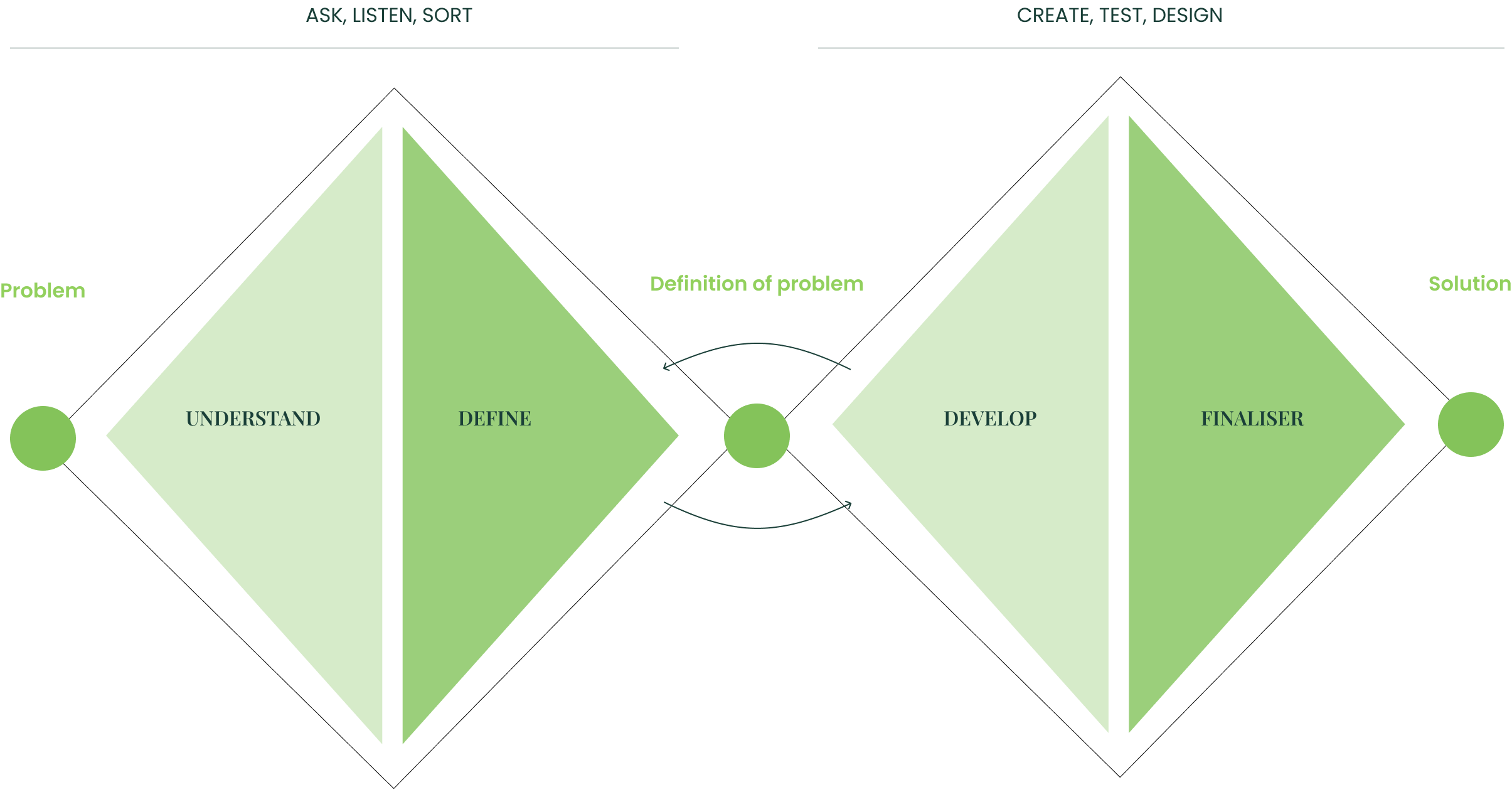
To gain a broad understanding of the challenges related to food waste and grocery management among young adults, I began the project with desk research. This phase helped me explore existing data, behavioral patterns, and market trends that influence how people shop, store, and consume food today. The goal was to validate the relevance of the problem space and identify opportunities for innovation before conducting user interviews.

Several behavioral studies indicate that young adults (18–34) are among the groups most affected by food waste. Surveys conducted by WRAP (2023–2024) show that this demographic often wastes more food due to factors such as overbuying, last-minute changes in plans, and limited experience with meal preparation. These insights align with the needs of EzCuk’s target audience.
Research consistently points to lack of time as one of the main barriers preventing young adults from planning meals and cooking at home. Studies published in the Journal of Nutrition Education and Behavior (Pelletier et al., 2012) show that perceived time pressure leads to irregular grocery habits, reliance on convenience foods, and reduced cooking frequency—all of which contribute to inefficient food usage and waste.
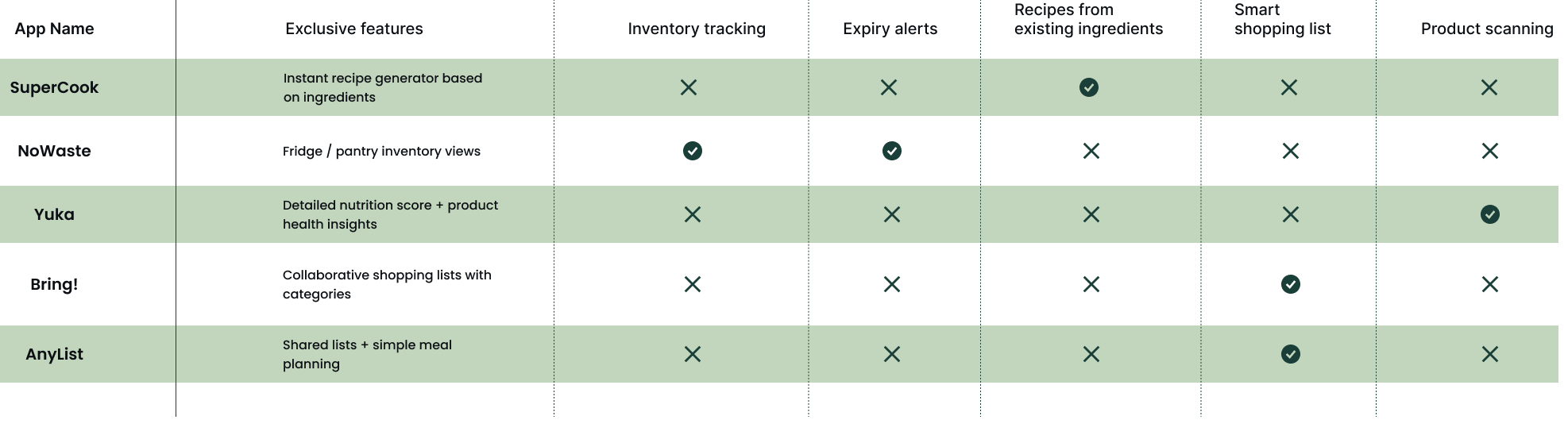
There are many apps today that help users with groceries, recipes or food tracking. However, most of them focus on only one part of the experience: shopping lists, recipes, nutrition or food rescue. As a result, young adults still struggle to connect what they already have at home with what they can cook and what they actually need to buy. Most existing solutions also rely heavily on manual input, which increases cognitive load and makes it hard to maintain good habits over time.
To better understand how young adults manage their groceries, cooking habits, and food waste, I conducted a series of user interviews along with an online survey. Food management is a very personal topic, and people often feel uncomfortable admitting how much food they throw away or how unorganized their habits can be. To create a safe space and encourage honesty, I selected individuals who fit the user profile and prepared open-ended questions that allowed them to fully express their experiences. I spoke with participants in their preferred languages to help them feel more at ease and open up naturally. With their permission, the interviews were recorded so I could revisit the details and analyze their responses more accurately afterward. My goal during this phase was to understand how young adults currently handle grocery shopping, what leads to food waste in their homes, how they decide what to cook, and what they wish could be improved. This helped reveal both behavioral patterns and unmet needs that shaped the direction of EzCuk.
The quantitative research consisted of an online survey with 14 questions, completed by 52 respondents aged 18–35. Below are the key findings:

To design a meaningful solution for grocery and food-waste management, I first needed to understand how young adults currently handle their groceries, how they decide what to cook, and what makes them waste food unintentionally. I began my interviews with broad questions such as “How do you usually shop for groceries?”, “How do you decide what to cook?”, and “What usually makes you throw food away?”. I then explored deeper topics: visibility of fridge/pantry items, time management, cooking habits, and emotional attitudes toward wasting food. These conversations helped me uncover the real pain points users experience on a daily basis.
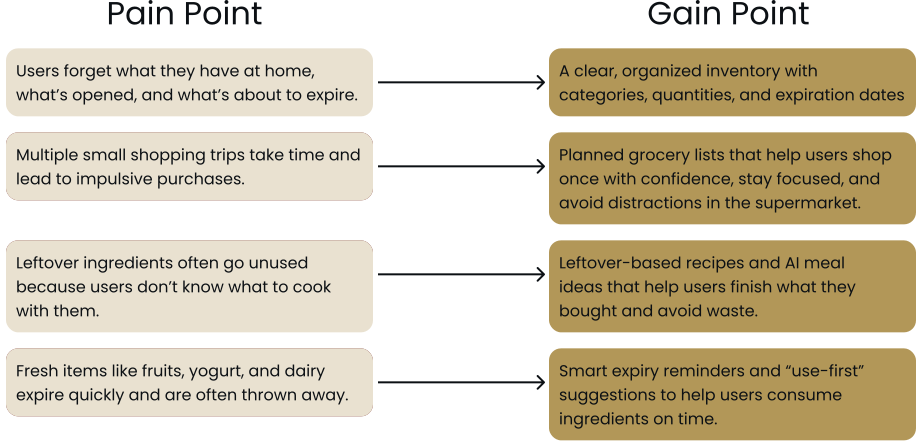
These insights guided the next phase of the project: identifying how EzCuk can provide a simple, engaging, and low-effort experience that helps users reduce waste, manage their groceries more efficiently, and make cooking decisions with confidence. Understanding users' needs, frustrations and expectations allowed me to shape a solution that connects inventory, recipes, expiration reminders and shopping planning into one cohesive experience.
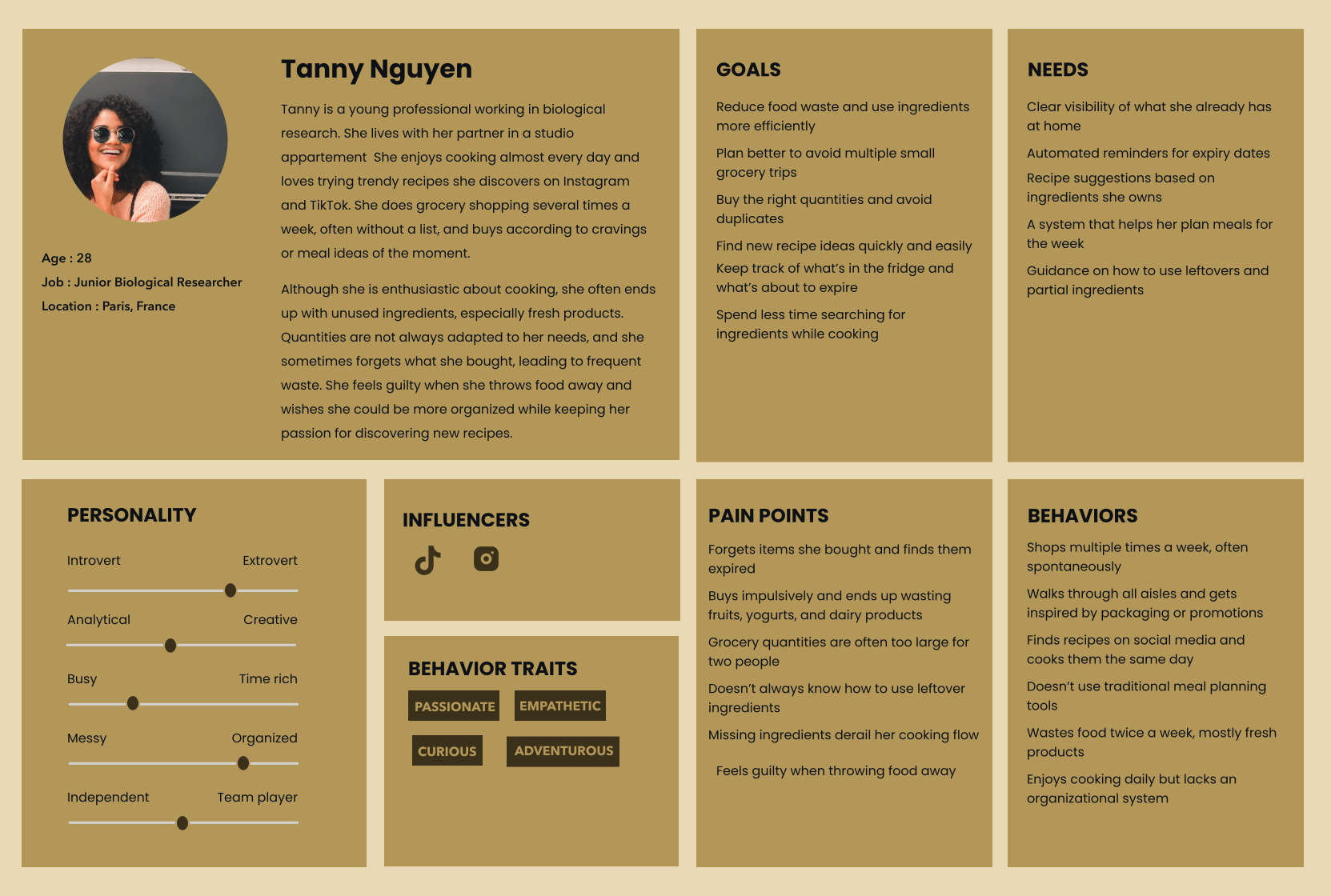
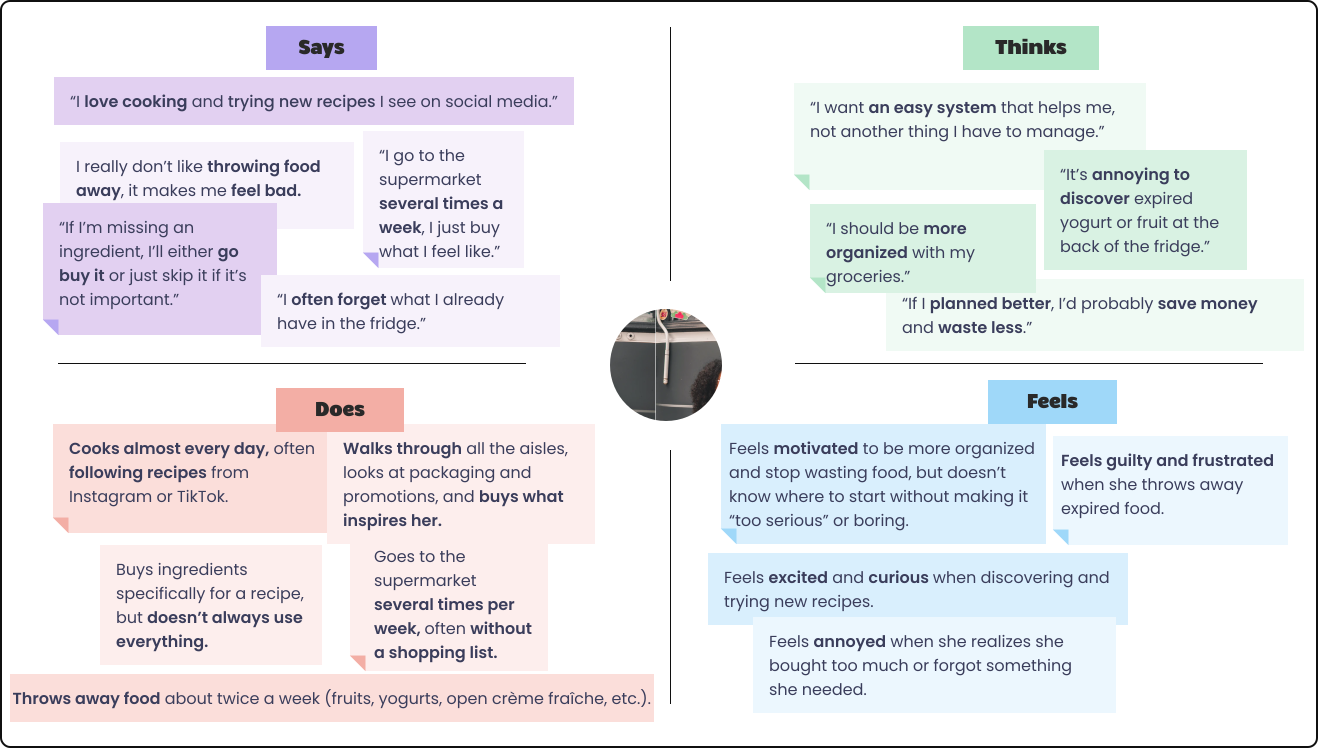
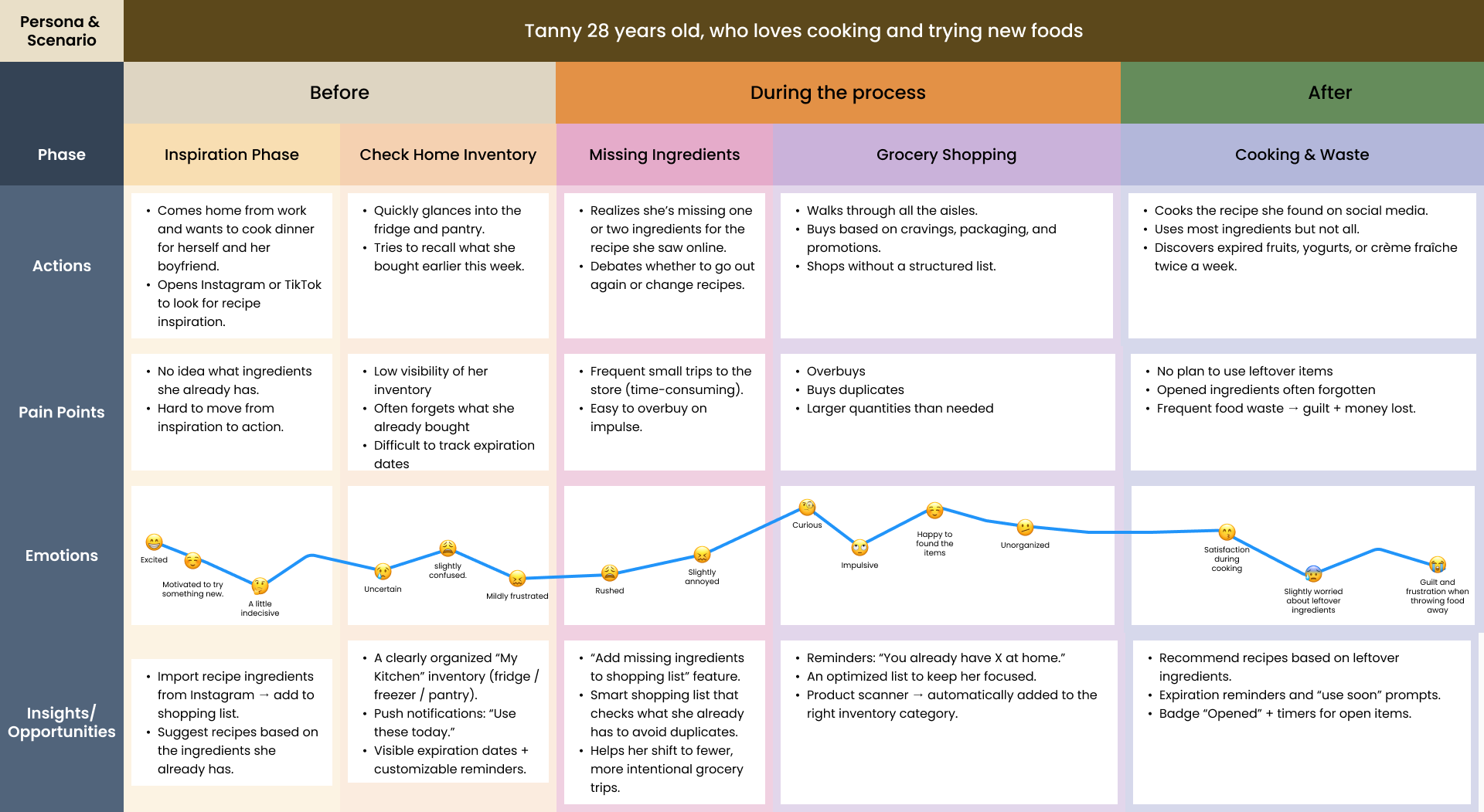
" Young adults enjoy cooking and discovering new recipes, but their current grocery habits are spontaneous and unstructured. They often shop without a plan, forget what they already have at home, and struggle to track expiration dates. As a result, they make frequent small grocery trips, buy duplicate items, waste leftover ingredients, and end up throwing away food several times a week — leading to guilt, frustration, and unnecessary spending".
How might we help young adults cook with confidence, buy only what they need, and reduce food waste — without adding complexity to their daily life?

To organize the features effectively, I conducted a card sorting exercise with potential users.
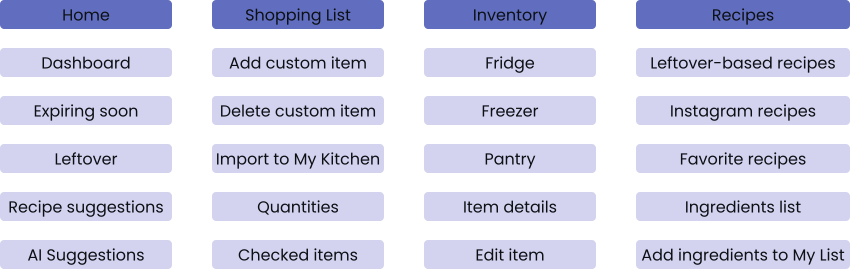
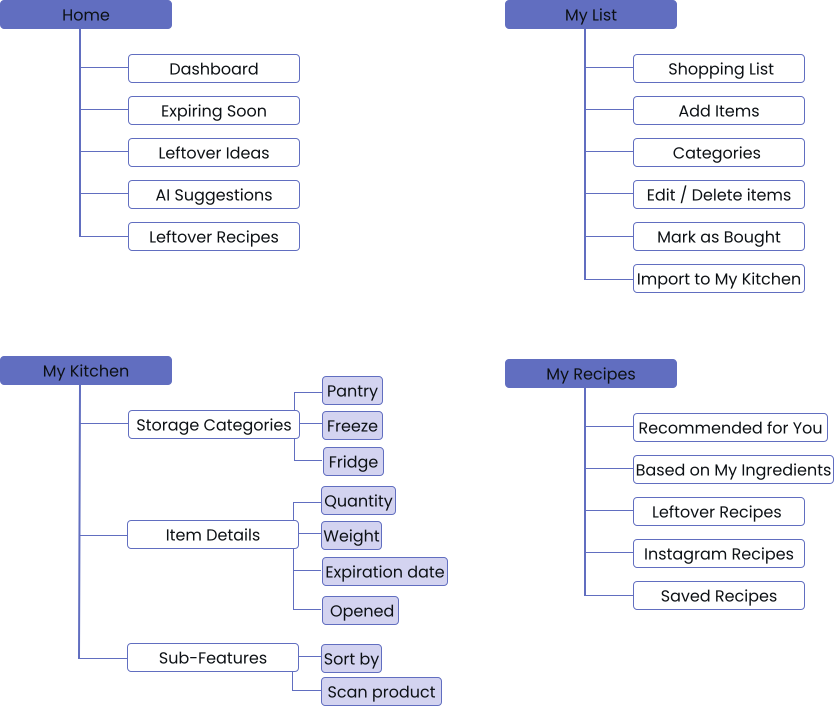
To organize the features and content of EzCuk effectively, I developed an information architecture that prioritized ease of navigation and user flow. This structure ensured that users could quickly access key functionalities such as inventory tracking, recipe suggestions, expiration alerts, and shopping lists.
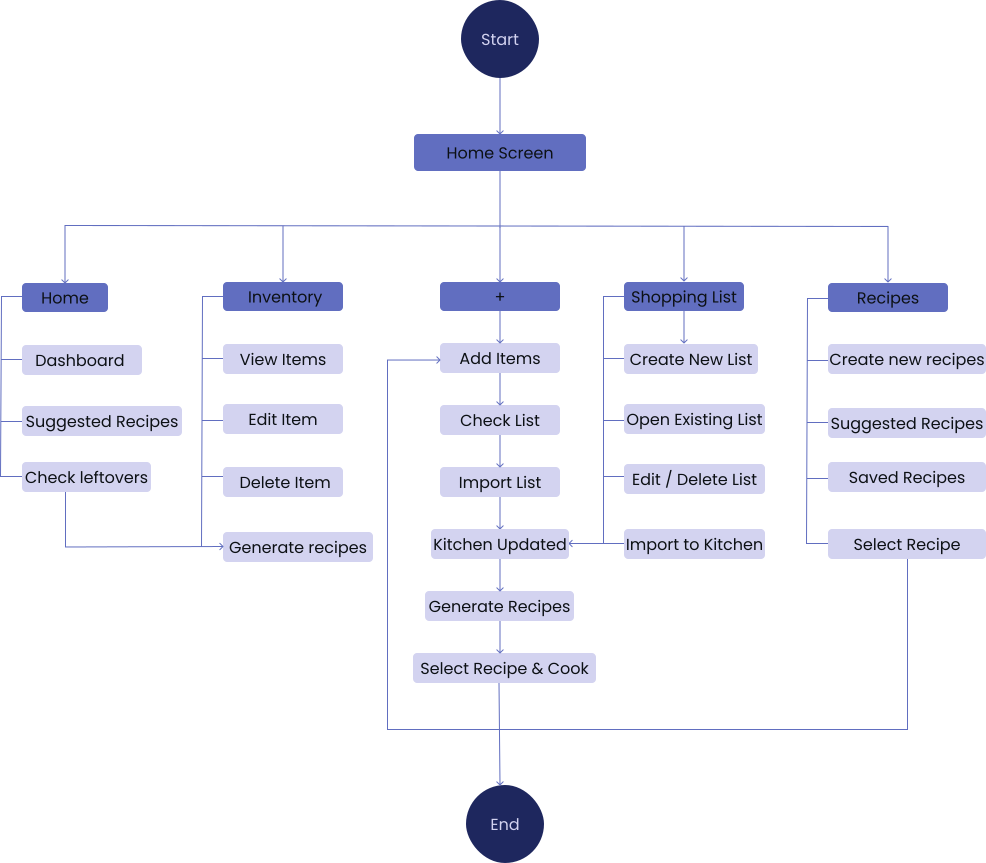
I created user flows to map out the steps users would take to complete key tasks within the app. This helped identify any potential pain points and ensured a smooth and intuitive experience.
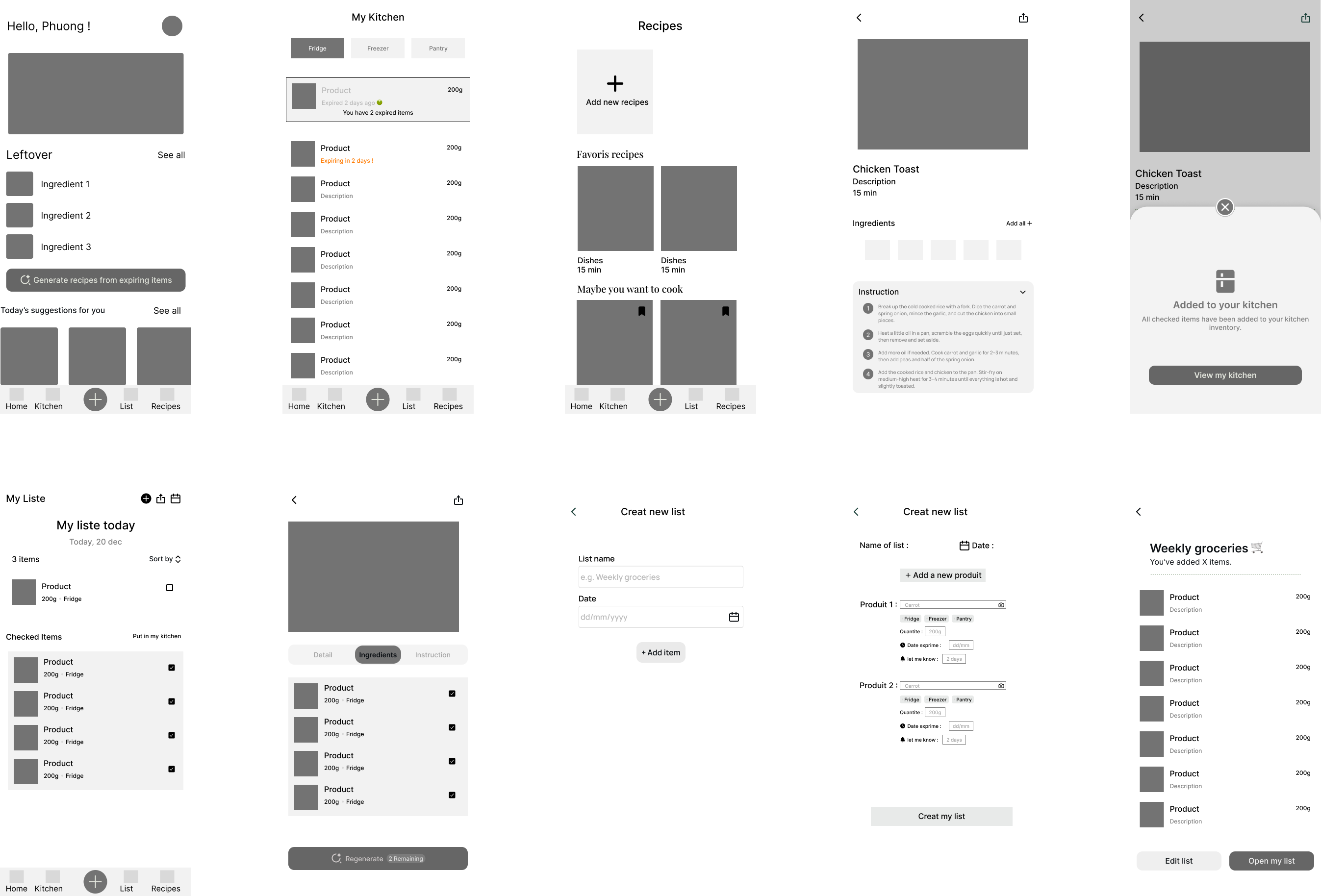
I began the design phase by creating low-fidelity wireframes to outline the basic layout and functionality of EzCuk. This allowed me to focus on usability and user flow before adding visual details.
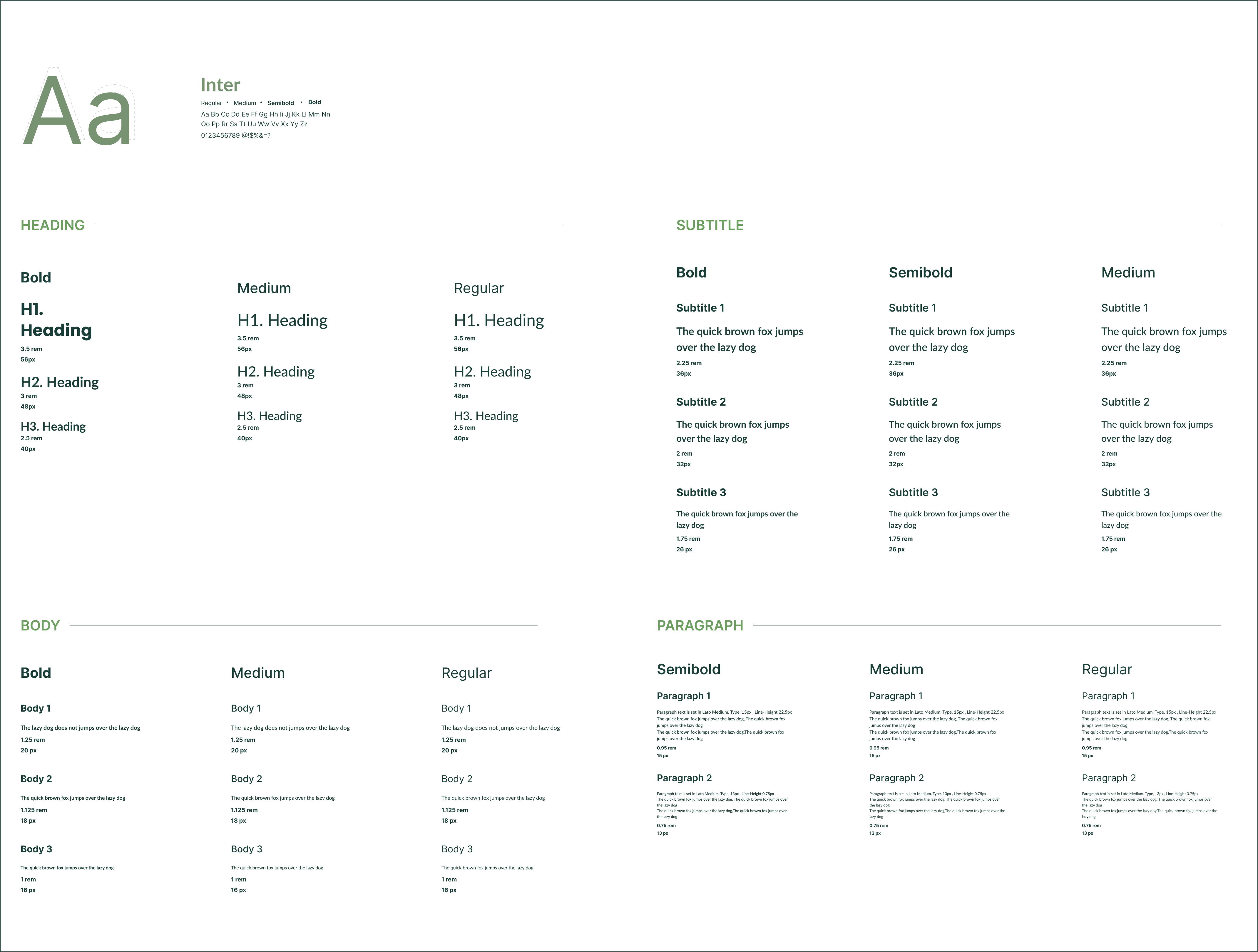
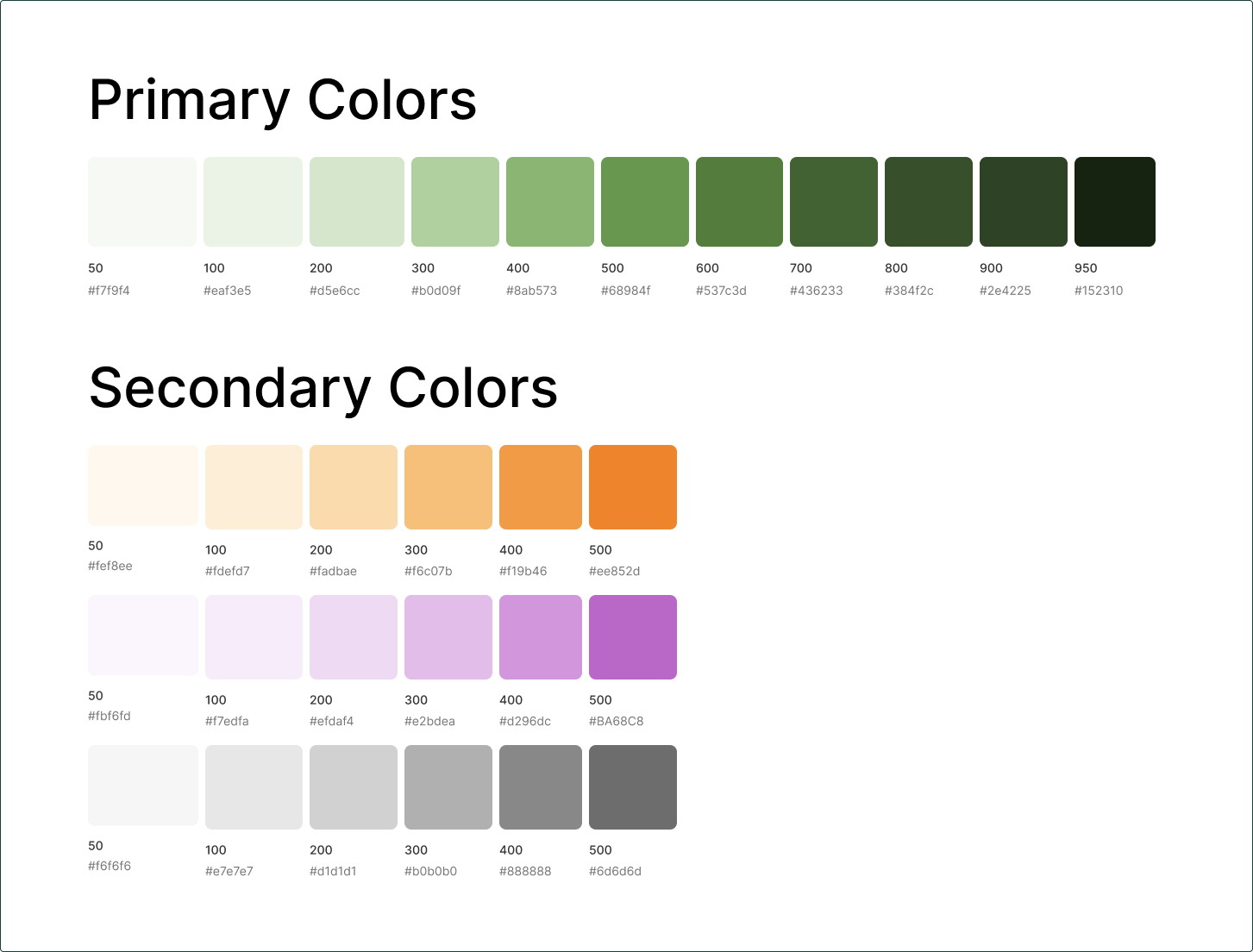
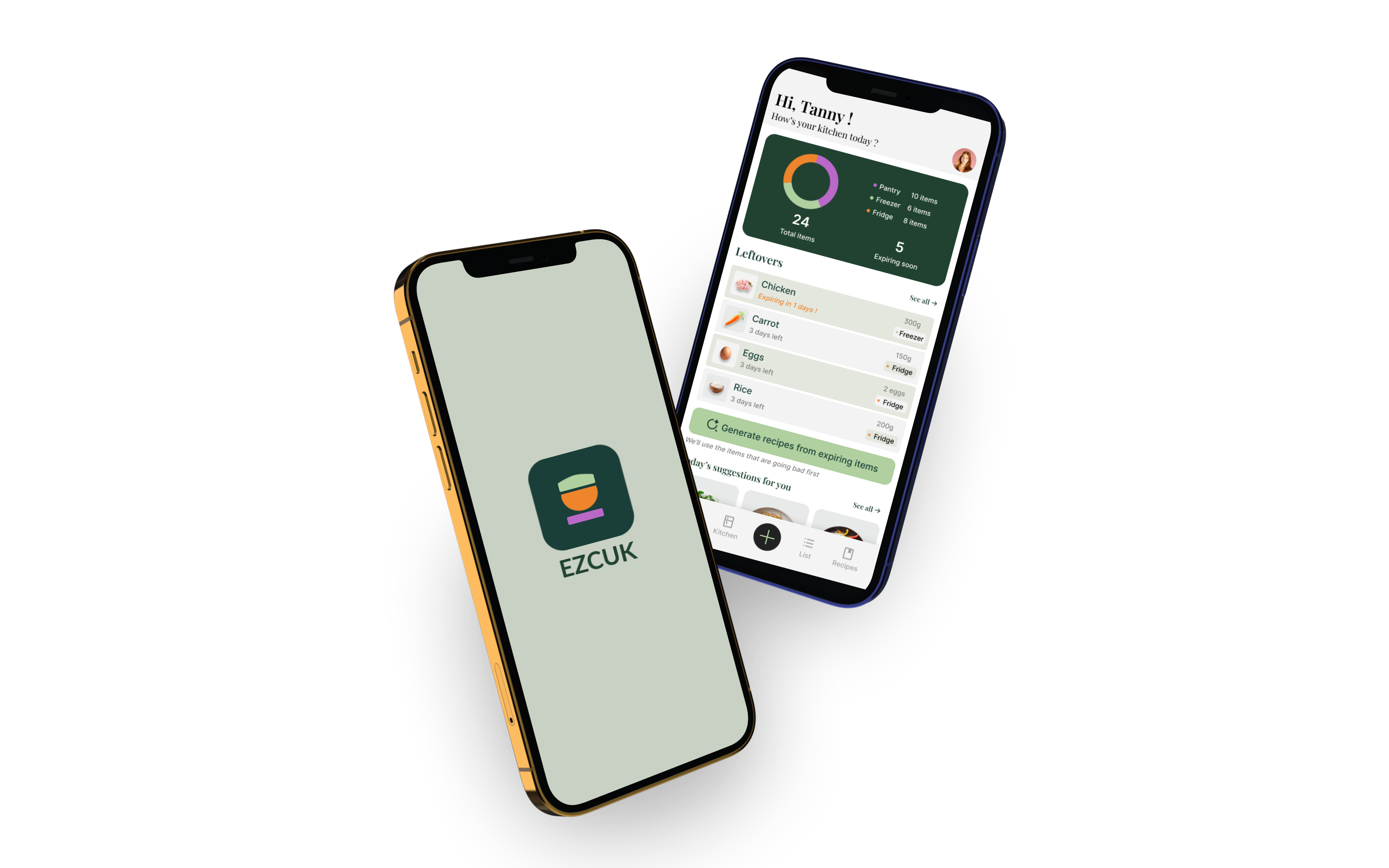
After refining the wireframes based on feedback, I developed high-fidelity mockups that incorporated visual design elements such as color schemes, typography, and imagery. This helped bring the app to life and provided a clearer vision of the final product.
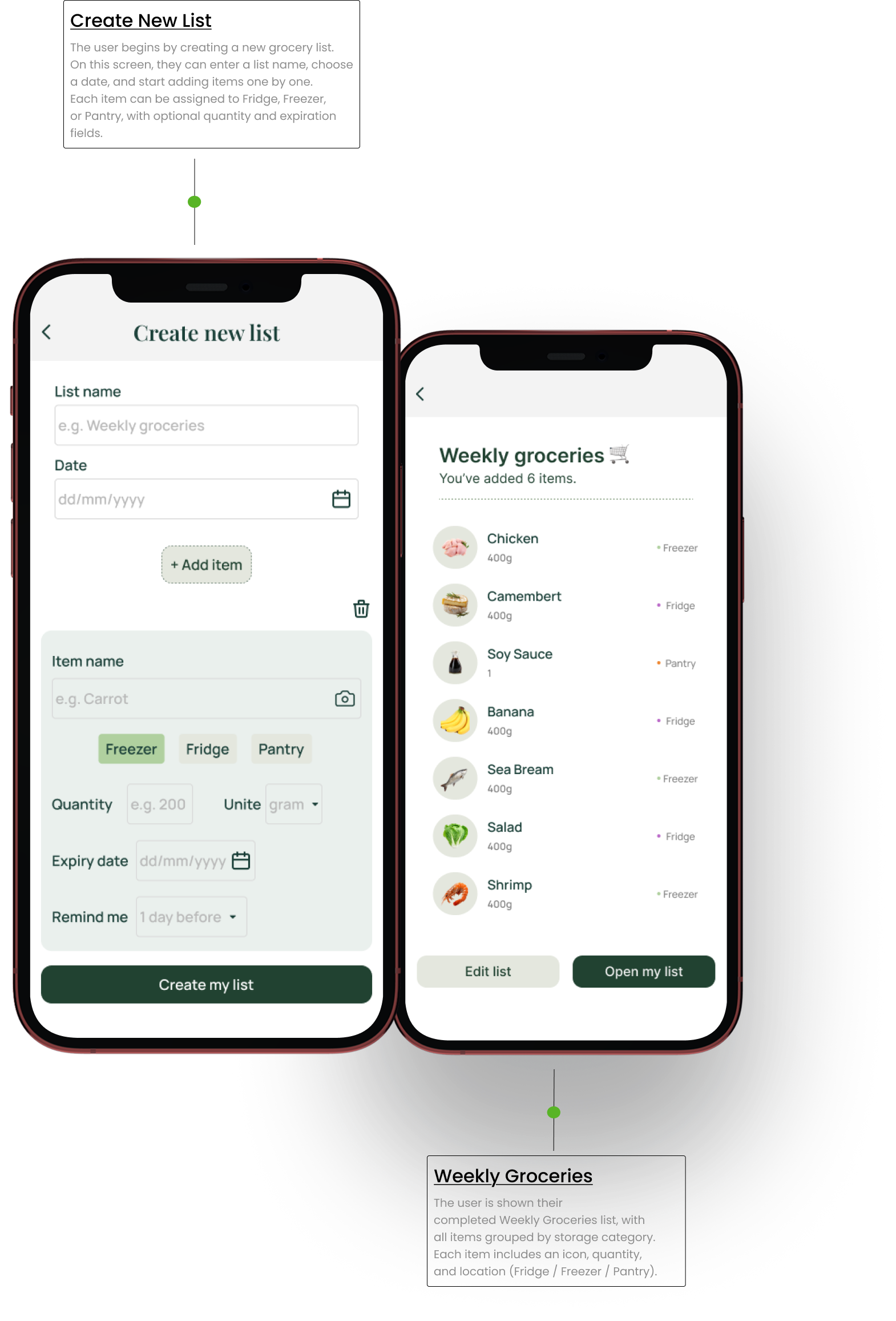
On the Create New List screen, users can name their list, add items with quantities, assign each item to Fridge, Freezer, or Pantry, and optionally set expiration reminders. After adding their items, the Weekly Groceries screen displays the completed list in a clean, categorized layout. This process helps users plan their shopping more efficiently, avoid missing items, and stay organized before importing everything into My Kitchen trip.
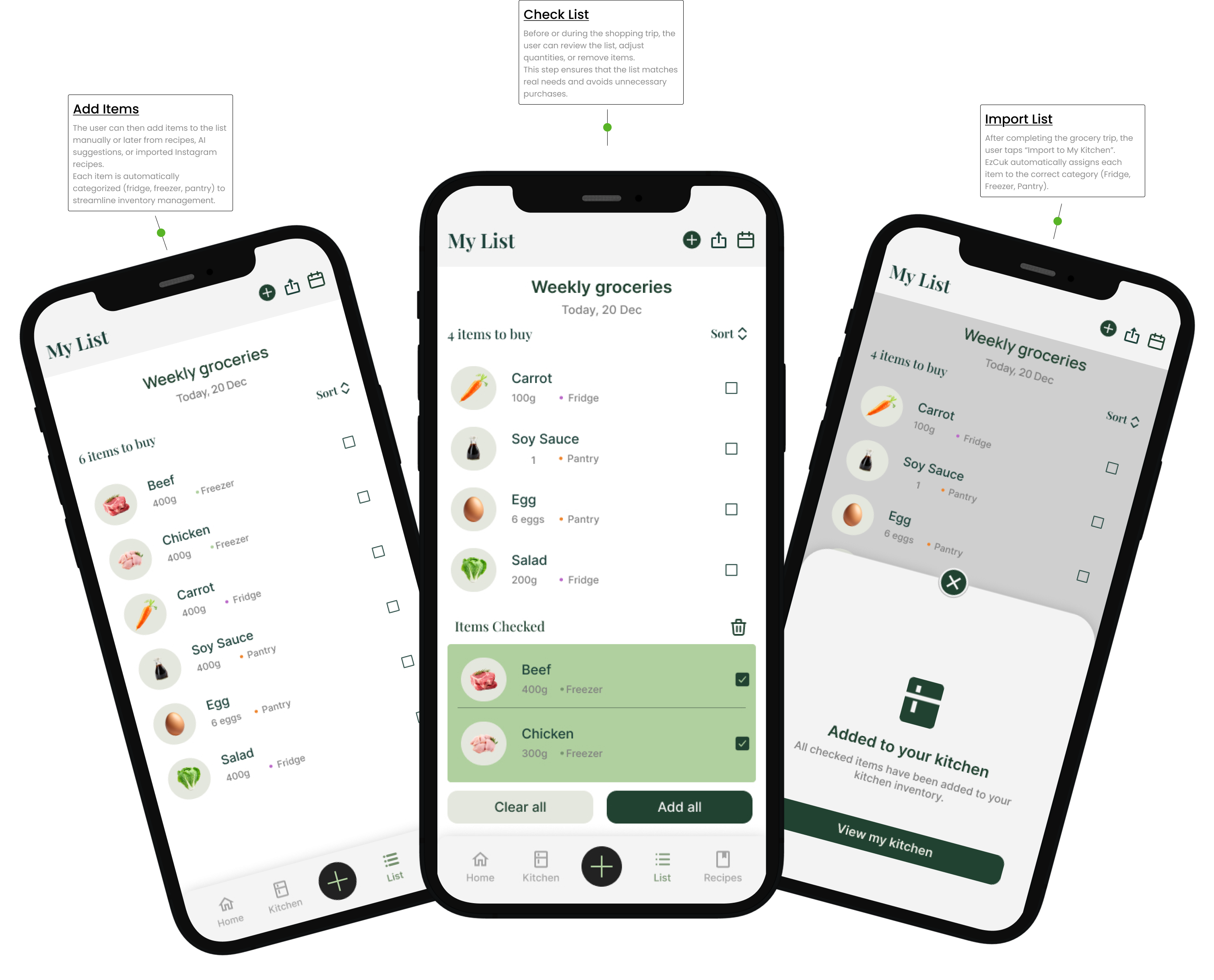
After completing the shopping trip, the user imports the list directly into My Kitchen. EzCuk automatically categorizes each item into Fridge, Freezer, or Pantry, and allows the user to adjust quantities or add expiration dates. This step keeps the digital kitchen fully synchronized with real groceries, enabling accurate inventory tracking and smart recipe suggestions later.
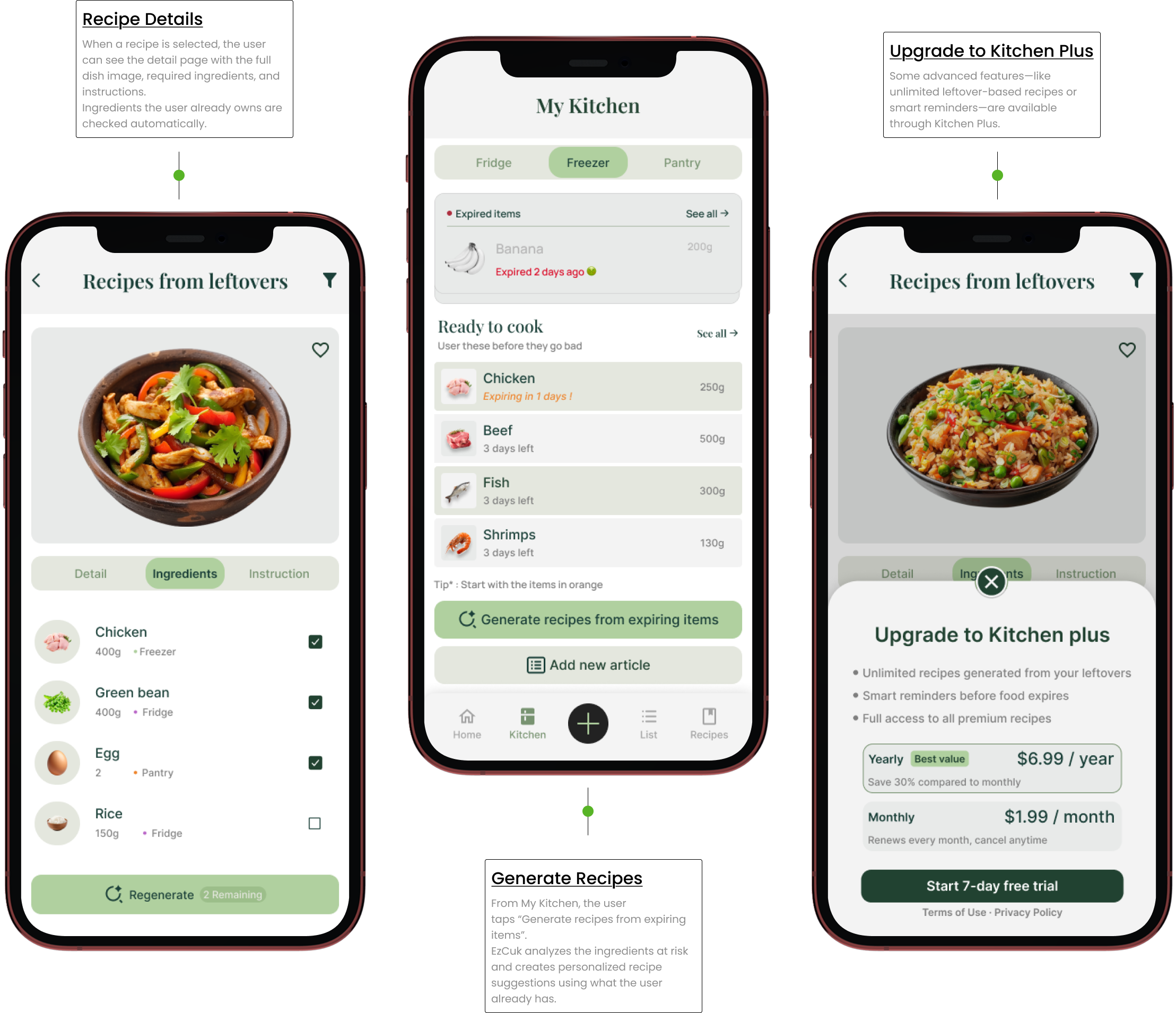
In My Kitchen, users can instantly see what needs to be used soon. With one tap on “Generate recipes from expiring items,” EzCuk creates personalized recipe suggestions based on their leftovers. Users can then browse these options in Recipes from Leftovers, select a dish, review its ingredients, and start cooking immediately. This process helps users reduce waste while simplifying everyday meal decisions.
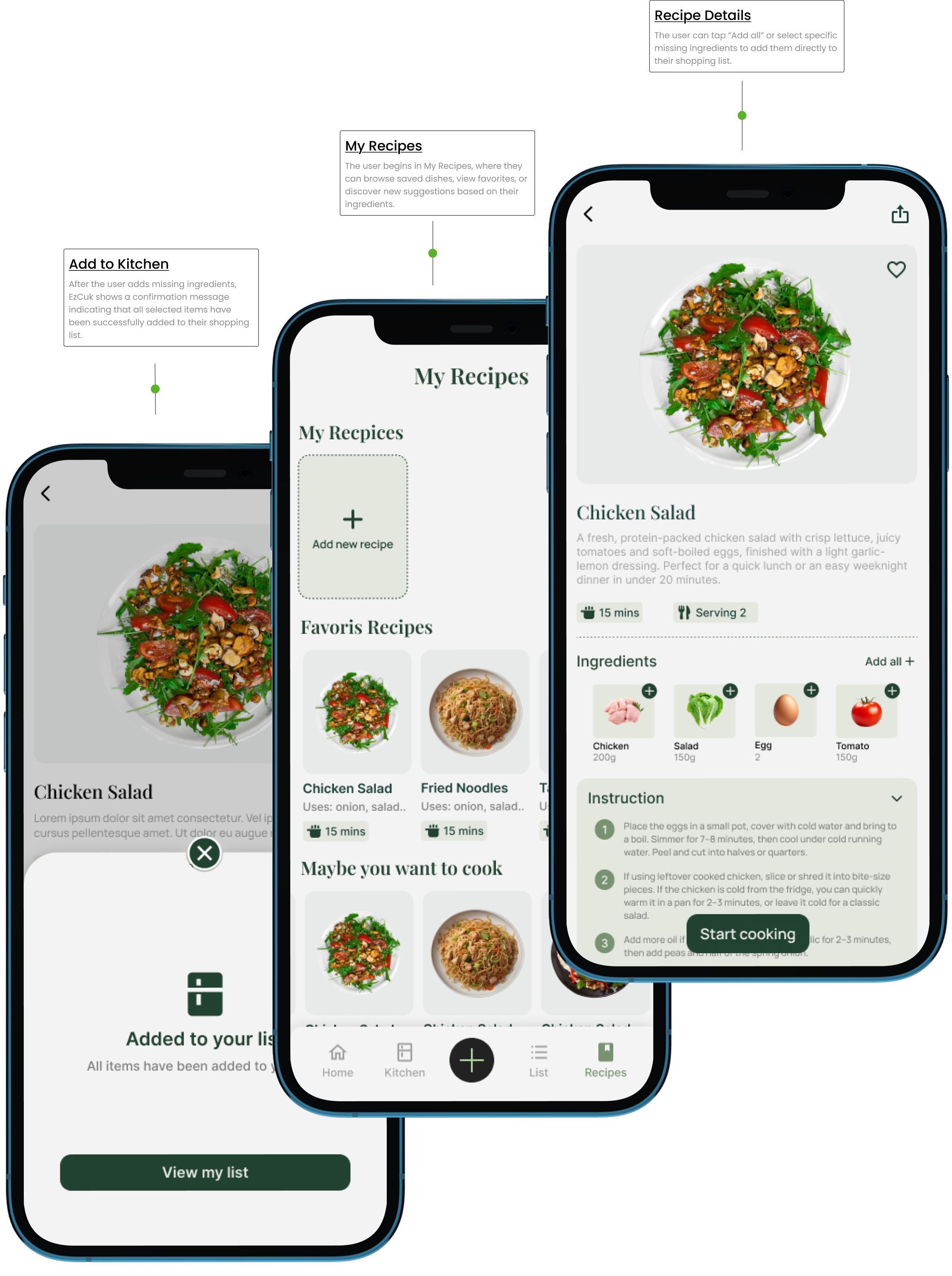
Users from browsing their saved and suggested recipes to preparing for their next meal. After selecting a dish, the Recipe Details screen highlights available and missing ingredients, allowing users to add the missing items directly to their shopping list. This helps users plan efficiently, reduces unnecessary purchases, and makes cooking easier and more intentional.
To test the usability of EzCuk, I created an interactive prototype using Figma. This allowed users to navigate through the app and experience its features in a realistic way.